

Inverter vs Non-Inverter Appliances in Ghana (2026 Guide) | Which Is Better?
Omek Expert Team
Home Appliance Specialists
Inverter vs Non-Inverter Appliances in Ghana
When buying home appliances in Ghana, you will often come across the terms inverter and non-inverter. These technologies are commonly found in appliances such as air conditioners, refrigerators, and washing machines.
Understanding the difference between inverter and non-inverter appliances is essential, especially with rising electricity costs in Ghana. Choosing the right option can significantly affect your power consumption, monthly bills, and long-term savings.
This guide explains how both technologies work and helps you decide which is best for your home.
You can also explore energy-efficient appliances at Omekgh.com with delivery across Ghana.
What Are Inverter Appliances?
Inverter appliances use advanced technology that adjusts power consumption based on demand instead of running at a fixed speed.
For example, an inverter air conditioner will slow down once the room reaches the desired temperature, rather than switching off completely.
Common inverter appliances:
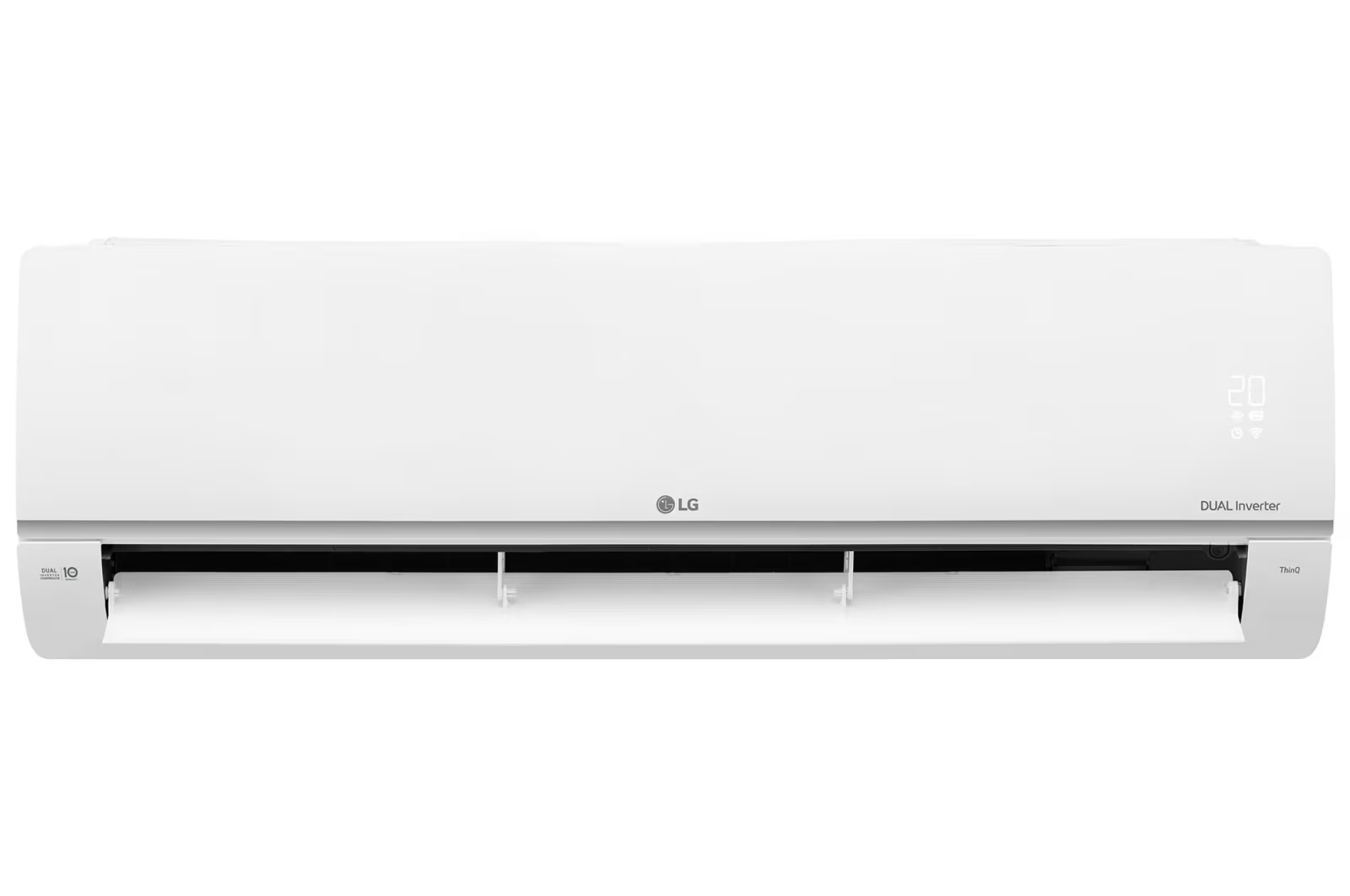
- Air conditioners
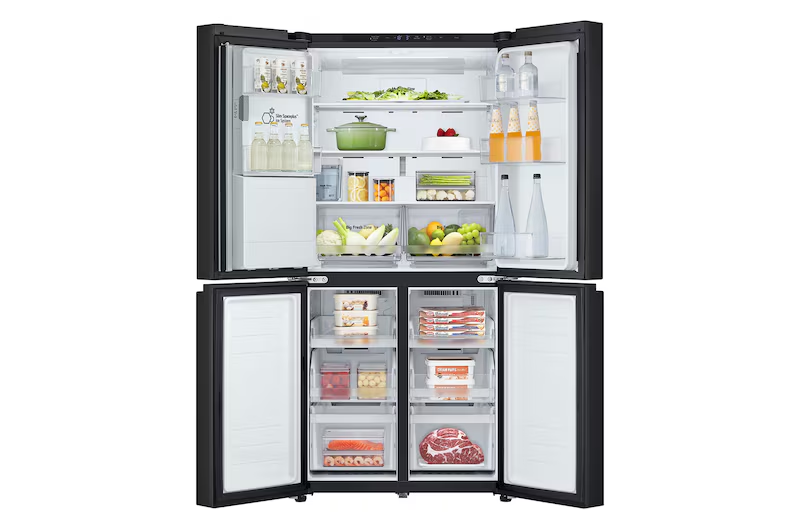
- Refrigerators
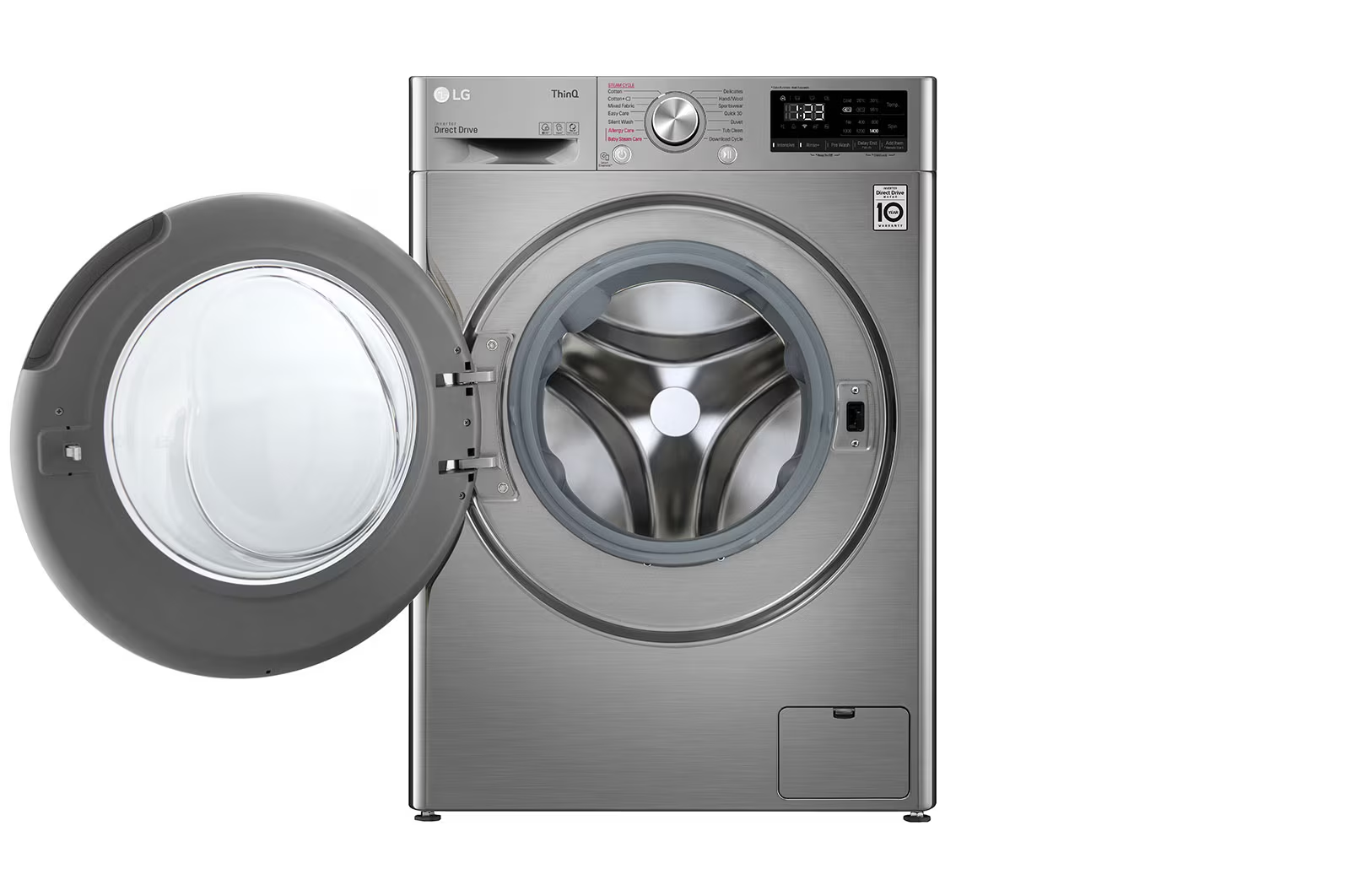
- Washing machines
What Are Non-Inverter Appliances?
Non-inverter appliances operate at a fixed speed. They turn on at full power and switch off once the desired condition is reached, then restart again when needed.
This repeated on-and-off cycle leads to higher energy consumption.
Key Differences Between Inverter and Non-Inverter
| Feature | Inverter Appliances | Non-Inverter Appliances |
|---|---|---|
| Energy Efficiency | High | Lower |
| Electricity Consumption | Reduced | Higher |
| Initial Cost | Higher | Lower |
| Noise Level | Quiet | Louder |
| Performance | Stable and consistent | Fluctuates |
| Lifespan | Longer | Shorter |
Advantages of Inverter Appliances
Lower Electricity Bills
Inverter appliances consume less power because they adjust their speed instead of running at full capacity continuously.
Consistent Performance
They maintain stable temperatures, which is important for appliances like refrigerators and air conditioners.
Quiet Operation
Inverter systems produce less noise due to smoother operation.
Longer Lifespan
Reduced wear and tear leads to longer durability.
Disadvantages of Inverter Appliances
- Higher initial purchase cost
- Repairs may be more expensive
Advantages of Non-Inverter Appliances
Lower Purchase Price
Non-inverter appliances are more affordable upfront, making them attractive for budget buyers.
Simple Technology
They are easier to repair and maintain due to simpler components.
Disadvantages of Non-Inverter Appliances
- Higher electricity consumption
- Less efficient performance
- More noise during operation
- Shorter lifespan
Cost Comparison in Ghana
Inverter Appliances
- Higher upfront cost
- Lower long-term electricity bills
Non-Inverter Appliances
- Lower upfront cost
- Higher long-term running cost
In Ghana, where electricity tariffs are rising, inverter appliances often provide better value over time.
Which Is Better for Ghana Homes?
Choose Inverter Appliances If:
- You want to reduce electricity bills
- You use the appliance frequently
- You prefer quieter and more efficient operation
Choose Non-Inverter Appliances If:
- You are on a tight budget
- You use the appliance occasionally
- You want lower upfront cost
Best Appliances to Buy as Inverter Models
For maximum savings, consider inverter technology for:
- Air conditioners
- Refrigerators
- Washing machines
These appliances run for long hours, so energy efficiency matters most.
Where to Buy Inverter Appliances in Ghana
You can purchase inverter and non-inverter appliances from electronics stores or online platforms.
Omekgh.com offers:
- Energy-efficient appliances
- Trusted brands
- Competitive prices
- Delivery across Ghana
Tips Before Buying
Check energy ratings
Higher-rated appliances consume less electricity.
Calculate long-term cost
Consider both purchase price and electricity usage.
Buy based on usage
Frequent use favors inverter appliances.
Ensure warranty coverage
Protect your investment with reliable after-sales support.
Frequently Asked Questions
1. What is the main difference between inverter and non-inverter appliances?
Inverter appliances adjust power usage based on demand, while non-inverter appliances run at fixed power levels.
2. Do inverter appliances save electricity?
Yes. They can significantly reduce electricity consumption compared to non-inverter models.
3. Are inverter appliances worth it in Ghana?
Yes. Due to high electricity costs, inverter appliances provide better long-term savings.
4. Why are inverter appliances more expensive?
They use advanced technology that improves efficiency and performance.
5. Where can I buy inverter appliances in Ghana?
You can shop at Omekgh.com for a wide range of inverter appliances with delivery nationwide.
Conclusion
Choosing between inverter and non-inverter appliances depends on your budget and usage. While non-inverter appliances are cheaper upfront, inverter appliances offer better energy efficiency, lower electricity bills, and longer lifespan.
For most Ghanaian households, inverter appliances are the smarter long-term investment. Explore a wide range of energy-efficient appliances at Omekgh.com to find the best options for your home.
Never Miss an Update
Join our newsletter to get the latest appliance guides, maintenance tips, and exclusive Omek deals delivered straight to your inbox.
Upgrade Your Home Today
Discover premium appliances at unbeatable prices. Experience the Omek difference.
Shop Top Offers Now